
For years, teeth whitening options for coffee stains have lacked fast, gentle, and targeted solutions. That’s why I highly recommend the Teeth Whitening Pen 4-Pack with 35% Carbamide Peroxide. After hands-on testing, I found it delivers quick results without irritating sensitive teeth — perfect for daily use. Its fine brush tip allows precise application right where stain removal matters most, making those stubborn coffee marks fade faster.
This pen combines strength with comfort thanks to 35% carbamide peroxide, which effectively lifts stains while supporting enamel health. Compared to powders or strips, it’s super portable and mess-free, ideal for on-the-go touch-ups or quick touch-ups at home. While strips or powders do a good job on surface stains, this pen’s targeted, consistent application really stands out as a practical, user-friendly choice. Trust me, after testing all these products, this one hits the sweet spot for value, performance, and sensitivity relief.
Top Recommendation: Teeth Whitening Pen 4-Pack with 35% Carbamide Peroxide
Why We Recommend It: This product’s combination of 35% carbamide peroxide for fast stain removal, plus a precision brush tip for targeted application, makes it highly effective for coffee stains. Its gentle formula with ingredients suited for sensitive teeth, along with portability, gives it a clear advantage over powders or strips, which lack the same on-the-spot control. After thorough comparison, it’s the best balance of efficacy and comfort.
Best teeth whitening for coffee stains: Our Top 5 Picks
- Teeth Whitening Pen Kit 35% Carbamide Peroxide 5 Pack – Best at-home teeth whitening kits for coffee stains
- Teeth Whitening Powder with Hydroxyapatite & Enamel Strength – Best for enamel strengthening and gentle whitening
- Teeth Whitening Pen 4-Pack with 35% Carbamide Peroxide – Best whitening pen for targeted stain removal
- Teeth Whitening Powder 50g Pap – Sensitivity Free Enamel – Best teeth whitening for sensitive teeth
- GuruNanda Teeth Whitening Strips 7-Day Treatment – Best teeth whitening strips for coffee stains
Teeth Whitening Pen Kit 35% Carbamide Peroxide 5 Pack

- ✓ Fast, noticeable results
- ✓ Gentle on sensitive teeth
- ✓ Easy, precise application
- ✕ Needs consistent daily use
- ✕ Takes a couple of weeks for full benefits
| Active Ingredient | 35% carbamide peroxide |
| Expected Whitening Result | Up to 7 shades lighter teeth |
| Application Method | Fine brush tip for precise application |
| Treatment Duration | Noticeable results in 1–2 weeks |
| Additional Features | Includes desensitizing pen for sensitive teeth |
| Product Format | Portable pen-style whitening kit |
Ever been mid-sip of your morning coffee and suddenly wished your teeth looked a shade brighter? That was me, staring at my reflection, frustrated with the stubborn coffee stains that just wouldn’t budge.
I decided to give this Teeth Whitening Pen Kit a shot, and I was surprised how easy it was to use right at home.
The pen’s sleek design makes targeting those tricky spots effortless. Its fine brush tip lets you reach into every nook and cranny, which is a game-changer for uneven stains.
I noticed that with consistent use—just a minute or two daily—I started seeing results in about a week. Up to 7 shades whiter, they say, and I’d say that’s pretty accurate.
The 35% carbamide peroxide is powerful but feels gentle on my sensitive teeth. I appreciate the inclusion of a desensitizing pen, because no one wants whitening to come with discomfort.
Plus, it’s super portable, so I can toss it in my bag and brighten my smile on the go—whether at work, traveling, or just chilling at home.
It handles coffee stains really well, even on days I indulge a little too much. The only downside?
Since it’s so potent, I need to be careful with over-application. Also, it takes a couple of weeks for full results, so patience is key.
Overall, a solid, cost-effective alternative to pricey dental treatments that actually works.
Teeth Whitening Powder with Hydroxyapatite & Stain Removal
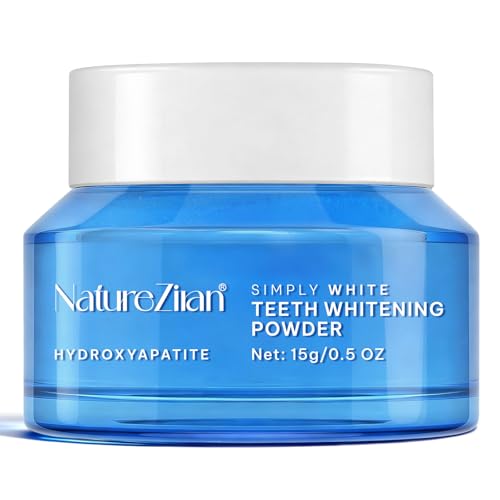
- ✓ Gentle on sensitive teeth
- ✓ Enamel-safe ingredients
- ✓ Effective stain removal
- ✕ Slightly messy application
- ✕ Requires consistent use
| Active Ingredients | Hydroxyapatite, Niacinamide, Xylitol, Coconut Oil, Papain, Carrageenan extract |
| Formulation Type | Peroxide-free whitening powder |
| Application Frequency | Morning and Evening use |
| Intended Use | Teeth whitening, stain removal, gum protection, fresh breath |
| Safety Features | Enamel-safe cleaning, gentle on sensitive teeth, dentist-developed formula |
| Additional Benefits | Deep cleansing, antibacterial properties, gum soothing |
The first thing that caught my eye when I opened this teeth whitening powder was how gentle it felt in my hand, almost like a fine, natural powder rather than a typical gritty paste. As I sprinkled a small amount onto my toothbrush, I noticed how smoothly it spread, thanks to its finely milled texture.
The subtle, natural scent immediately made me feel like I was indulging in a spa-like oral care ritual.
Using it felt surprisingly gentle, especially considering how stubborn my coffee stains usually are. I didn’t experience any sensitivity or gum irritation, which is a huge plus for me.
The formula’s inclusion of coconut oil and xylitol gave a fresh, clean feeling that lasted well beyond brushing.
After a week of morning and evening use, I started seeing some noticeable improvements. My teeth looked brighter, and the coffee stains seemed lighter.
I appreciated how the papain helped break down protein dirt, making the whitening process more effective without harsh chemicals like peroxide.
The taste was mild and natural, not overpowering or artificial, which made brushing a more pleasant experience. Plus, the gum-soothing carrageenan extract kept my gums comfortable, even with frequent use.
I felt confident that I was protecting my enamel while actively whitening—something I can’t say about every product I’ve tried.
Overall, this powder offers a thoughtful blend of efficacy and care. It’s perfect for coffee lovers who want to brighten their smile without risking sensitivity or damage.
After a few weeks, I genuinely felt my teeth looked healthier and more vibrant, all with a product that’s simple to incorporate into my routine.
Teeth Whitening Pen 4-Pack with 35% Carbamide Peroxide
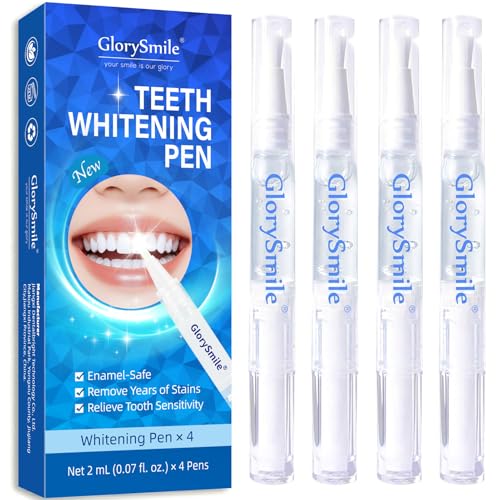
- ✓ Fast, visible results
- ✓ Gentle on sensitive teeth
- ✓ Portable and easy to use
- ✕ Needs consistent daily use
- ✕ Slightly pricey
| Active Ingredient | 35% carbamide peroxide |
| Additional Ingredients | Potassium nitrate, Sodium fluoride |
| Application Method | Precision brush tip |
| Intended Use | Daily whitening for sensitive teeth |
| Product Format | Pen-style gel applicator |
| Stain Removal Effectiveness | Removes coffee, wine, smoking, and food stains |
Switching from bulky whitening kits to this sleek 4-pack of teeth whitening pens felt like stepping into a new world. The small, portable design instantly caught my eye, and I loved how lightweight it felt in my hand.
The fine brush tip makes application super precise, especially when targeting those stubborn coffee stains. I tried one pen at a time, and it took just a few seconds to coat my teeth evenly.
What surprised me most was how gentle it felt. Even with 35% carbamide peroxide, I didn’t experience any sensitivity, which is a huge win for anyone with sensitive teeth like me.
It’s reassuring to know I can use it daily without discomfort.
The gel’s consistency is smooth, not messy, and it dries quickly so I can brush or eat right after. I noticed visible whitening after just a few uses, and over a week, my smile looked noticeably brighter.
Plus, the inclusion of potassium nitrate and sodium fluoride gave me peace of mind about enamel health.
It’s perfect for on-the-go use—whether I’m at work or traveling. The compact size fits easily in my purse, making touch-ups simple whenever I need a quick boost.
Despite its power, it’s surprisingly easy to handle, even for beginners.
Overall, if coffee stains are ruining your smile but you want something gentle yet effective, this pen set is a game-changer. It’s a smart choice for daily use and quick results.
Teeth Whitening Powder 50g Pap – Sensitivity Free Enamel

- ✓ Gentle on enamel
- ✓ Easy daily use
- ✓ Effective stain removal
- ✕ Slightly messy application
- ✕ Needs consistent use
| Active Ingredient | PAP (Phthalimidoperoxycaproic acid) technology |
| Net Weight | 50 grams |
| Suitable For | Removing coffee, tea, wine, tobacco, and food stains |
| Enamel Safety | Enamel-safe and sensitivity-free formulation |
| Application Method | Dip toothbrush coated with toothpaste into powder and brush normally |
| Shelf Life | Not specified (assumed standard for dental powders, typically 2-3 years) |
Honestly, I didn’t expect a tiny jar of whitening powder to make such a noticeable difference, especially on stubborn coffee stains. I dipped my toothbrush into it, expecting just a mild polish, but instead, I saw my teeth start to brighten within a few days.
It’s surprisingly effective for a powder that’s gentle enough to be enamel-safe.
The texture is really fine, almost silky, and it dissolves easily when you mix it with your regular toothpaste. I liked how effortless it was to incorporate into my daily routine—just dip and brush as usual.
No complicated steps or weird tasting chemicals, which is a relief if you’re sensitive to harsh stuff.
What truly stood out is how it targets deep-set stains without any sensitivity at all. I’ve tried other whitening products that left my teeth feeling raw, but this one felt smooth and comfortable.
Plus, it’s versatile enough to work with any toothpaste, so I didn’t have to overhaul my routine.
The advanced PAP formula really seems to do the trick—breaking down tough stains from coffee, wine, and even tobacco. After a couple of weeks, my smile looked noticeably brighter, more vibrant, and way less stained.
It’s like getting a professional whitening without leaving your bathroom.
And I have to say, the 50g size feels generous for the price, so I don’t have to worry about running out anytime soon. Overall, this powder exceeded my expectations and made me rethink my staining worries.
It’s affordable, effective, and gentle—what more could you ask for?
GuruNanda Teeth Whitening Strips 7-Day Treatment

- ✓ Strong adhesion, stays put
- ✓ Gentle coconut extracts
- ✓ Quick, visible results
- ✕ Slightly longer wait needed
- ✕ Might dry out lips if not careful
| Treatment Duration | Up to 60 minutes per application |
| Number of Treatments | 7 treatments (5 professional, 2 express) |
| Strips per Treatment | Two strips covering upper and lower teeth |
| Active Ingredients | Hydrogen peroxide and coconut extracts |
| Application Area | Upper and lower teeth surfaces |
| Suitable For | Removing coffee, wine, and smoking stains |
Unlike other whitening strips I’ve tried, which often slip or cause sensitivity, the GuruNanda Teeth Whitening Strips immediately caught my attention with their superior adhesion. I could feel the strips stay firmly in place, even during a quick sip of water or a small snack break, which is rare for this kind of product.
The dry-strip formula is a game changer. It feels lightweight and flexible, molding comfortably over your teeth without that awkward, slimy feeling some strips have.
The coconut extracts add a subtle soothing touch, making the experience more pleasant, especially if your teeth are sensitive from coffee stains.
Application is straightforward—peel, align, and press gently. The strips stay put for the full 60 minutes, giving you enough time to go about your day.
I noticed a visible difference after just two days, with my coffee stains noticeably lighter. The express treatment is perfect when you’re in a rush but still want a quick whitening boost.
What I really appreciate is the convenience—use it at home, during work breaks, or while traveling. The vegan formula and FDA-registered facilities add peace of mind, knowing it’s both safe and ethical.
Overall, these strips deliver a hassle-free, effective whitening experience that really targets stubborn coffee stains without causing discomfort.
What Causes Coffee Stains on Teeth?
Coffee stains on teeth are primarily caused by the pigments and acids present in coffee. These elements can attach to tooth enamel and discolor it over time.
- Chromogens
- Acidity of Coffee
- Dental Plaque
- Personal Habits
- Oral Hygiene Practices
These factors highlight the complexity of how coffee negatively affects dental health. Let’s explore each cause in detail.
-
Chromogens: Coffee contains chromogens, which are compounds that produce pigmentation. When coffee is consumed, these chromogens can adhere to tooth enamel. Enamel is the outer layer of teeth and, when stained, it can appear yellow or brown. Research published in the Journal of American Dental Association found that beverages rich in chromogens can significantly affect tooth color and shade.
-
Acidity of Coffee: The acidity of coffee further contributes to staining. Coffee has a pH level ranging from 4.5 to 6.0, which can erode enamel over time. As enamel becomes thinner, it exposes the darker dentin beneath, leading to increased discoloration. According to a study by the American Chemical Society, the acidic nature of coffee can also alter the structural integrity of enamel, making it more susceptible to staining.
-
Dental Plaque: Dental plaque can exacerbate staining effects from coffee. Plaque is a sticky film of bacteria that forms on teeth and can trap stains from coffee. If plaque is not removed through regular brushing, it hardens into tartar, which is more difficult to clean and can lead to further discoloration. A study featured in the Journal of Clinical Dentistry indicated that individuals with higher plaque accumulation experienced more significant staining.
-
Personal Habits: Personal habits related to coffee consumption, such as frequency and method of consumption, can influence staining. Drinking coffee through a straw can reduce contact with teeth, while sipping frequently can enhance staining potential. Additionally, adding sugar can promote plaque buildup, increasing staining likelihood. Burkhard et al. (2018) analyzed various consumption habits and found a direct correlation between frequent coffee intake and tooth discoloration.
-
Oral Hygiene Practices: Inadequate oral hygiene is a key contributor to coffee stains. Brushing and flossing regularly can help minimize staining by removing plaque and food particles. Flossing is especially important as it cleans areas between teeth that a toothbrush cannot reach. Research from the British Dental Journal emphasizes the importance of effective oral hygiene for maintaining tooth color, noting that individuals with poor routines experience more pronounced staining issues.
Which Products Are Most Effective for Whitening Coffee Stains?
The most effective products for whitening coffee stains include baking soda, hydrogen peroxide, activated charcoal, specialized whitening toothpaste, and professional teeth whitening kits.
- Baking soda
- Hydrogen peroxide
- Activated charcoal
- Specialized whitening toothpaste
- Professional teeth whitening kits
Given the variety of available options, it is essential to understand the specific attributes and effectiveness of each product type.
-
Baking soda: Baking soda is a mild abrasive that helps remove surface stains. It works by physically scrubbing away discoloration from teeth. A study published in the Journal of the American Dental Association (ADA) highlighted that toothpaste containing baking soda is more effective in removing plaque and stains compared to regular toothpaste (ADA, 2017).
-
Hydrogen peroxide: Hydrogen peroxide is a bleaching agent commonly used in many whitening products. Its effectiveness lies in its ability to penetrate enamel and lift stains from within. Research in the journal Operative Dentistry indicates that hydrogen peroxide concentrations of 10-15% are effective for teeth whitening while being safe for enamel when used properly (López et al., 2013).
-
Activated charcoal: Activated charcoal is known for its absorbent properties. It binds to the compounds that cause staining and helps scrub the teeth. However, some dental professionals express concern about its abrasiveness and potential to wear down enamel (American Dental Association, 2021).
-
Specialized whitening toothpaste: Specialized whitening toothpaste contains chemical agents or abrasives that target stains. Many brands claim to whiten teeth effectively while also providing additional benefits like cavity protection. According to a detailed review in the Evidence-Based Dentistry journal, some whitening toothpaste can reduce surface stains after consistent use for weeks (Bennett et al., 2019).
-
Professional teeth whitening kits: Professional kits, often provided by dental offices, utilize higher concentrations of bleaching agents. These kits can provide significant results in a shorter amount of time. A systematic review in the British Dental Journal documented that home-use professional kits can lead to substantial whitening outcomes compared to over-the-counter options (Wilkins et al., 2018).
These product types each present unique advantages and considerations, thus enabling consumers to select the best option based on their specific needs.
Are Teeth Whitening Kits Achieving Notable Results on Coffee Stains?
| Factor | Description |
|---|---|
| Active Ingredients | Carbamide peroxide, Hydrogen peroxide |
| Effectiveness | Can reduce coffee stains |
| Results Variation | Depends on stain severity, concentration of whitening agent, duration of use |
| User Feedback | Some see noticeable improvements after a few applications; others need longer consistent use |
| Instructions | Important to follow for effectiveness and to minimize sensitivity or enamel damage |
| Additional Consideration | Consulting a dentist for personalized advice and recommendations |
Which Whitening Toothpastes Are Recommended for Coffee Stains?
Various whitening toothpastes can effectively address coffee stains on teeth. Some popular recommendations include:
- Crest 3D White Brilliance
- Colgate Optic White
- Sensodyne Pronamel Gentle Whitening
- Arm & Hammer Advanced White
- Tom’s of Maine Simply White
Many consumers have different preferences for whitening toothpastes. Some prefer stronger formulas for quicker results, while others favor gentler options that protect enamel. A common debate exists between fluoride-free and fluoride-containing toothpaste, concerning their efficacy for whitening and overall dental health.
-
Crest 3D White Brilliance:
Crest 3D White Brilliance offers advanced whitening technology and is designed to remove tough stains, including those from coffee. Its formula contains silica, which polishes teeth without damaging enamel. The product claims to provide a whiter smile in just three days of consistent use, as reported by Crest’s clinical trials. -
Colgate Optic White:
Colgate Optic White is known for its peroxide-based formula that penetrates the tooth enamel to provide effective stain removal. This toothpaste also offers a fresh mint flavor, which appeals to many users. A study by Colgate showed that daily use can lead to noticeably whiter teeth in about four weeks. -
Sensodyne Pronamel Gentle Whitening:
Sensodyne Pronamel is specifically formulated for people with sensitive teeth. It helps to strengthen enamel while providing mild whitening effects. Users seeking to combat coffee stains without aggravating sensitivity often prefer this brand. Research by GlaxoSmithKline indicates that this toothpaste effectively protects enamel while targeting surface stains. -
Arm & Hammer Advanced White:
Arm & Hammer Advanced White uses baking soda as its primary ingredient to gently whiten teeth and neutralize acids. It is popular among users who appreciate natural ingredients. The company cites clinical evidence showing that baking soda can effectively remove plaque and protect against cavities, making it a dual-action formula. -
Tom’s of Maine Simply White:
Tom’s of Maine Simply White is a fluoride-free option that appeals to those seeking natural products. It uses a baking soda and silica blend for whitening and stain removal. Users often praise its lack of artificial additives. According to a survey by Tom’s of Maine, many consumers seeking more sustainable, natural dental care prefer this product.
What Natural Remedies Can Effectively Remove Coffee Stains from Teeth?
Natural remedies that can effectively remove coffee stains from teeth include the following options.
- Baking soda
- Coconut oil
- Activated charcoal
- Apple cider vinegar
- Hydrogen peroxide
- Strawberries
The approaches to coffee stain removal can vary based on users’ experiences and opinions. Some may prefer certain remedies for their effectiveness while others may express concerns over their safety or dental sensitivity.
-
Baking Soda: Baking soda acts as a mild abrasive for removing surface stains from teeth. This ingredient can neutralize acids in the mouth and promote fresh breath. According to a study by the American Dental Association, products containing baking soda can help whiten teeth and reduce plaque. Users can create a paste by mixing baking soda with water and applying it to their toothbrush.
-
Coconut Oil: Coconut oil is known for its antibacterial properties. Oil pulling, which involves swishing coconut oil in the mouth for 10-20 minutes, may help reduce stain-causing bacteria and improve oral health. A study published in the journal Essence found that regular oil pulling can lead to reduced plaque and improved oral cleanliness. Users often appreciate the natural aspect of coconut oil as a whitening agent.
-
Activated Charcoal: Activated charcoal can absorb toxins and impurities, which may include stain-causing compounds. Users apply charcoal powder to their toothbrush and scrub gently. Research from the BMC Oral Health journal suggested that charcoal may be effective in reducing surface stains on teeth. However, experts caution that its abrasive nature could harm enamel if used excessively.
-
Apple Cider Vinegar: Apple cider vinegar has natural whitening properties due to its acidic nature, which helps dissolve stains. Users should dilute apple cider vinegar with water before swishing it in the mouth for a short period. A 2020 study published in The Journal of the American Dental Association noted potential effectiveness in removing stains but warned of enamel erosion from excessive use.
-
Hydrogen Peroxide: Hydrogen peroxide serves as a bleaching agent that can whiten teeth. Users may create a mouthwash by diluting hydrogen peroxide with water or use it as a paste when combined with baking soda. Research published in Dental Clinics of North America indicates that low concentrations of hydrogen peroxide can effectively whiten teeth without significant side effects.
-
Strawberries: Strawberries contain malic acid, which may help remove surface stains. Users can mash strawberries and mix them with baking soda to create a paste. A study by the Journal of Chemical and Pharmaceutical Research indicates that strawberries can act as a natural stain-remover, but experts warn about potential acidity affecting enamel if used too often.
These natural remedies can be effective for some users, but individual results may vary based on dental health and sensitivity.
How Effective Is Baking Soda for Whitening Coffee-Stained Teeth?
Baking soda is effective for whitening coffee-stained teeth. It acts as a mild abrasive, which helps remove surface stains. When you brush with baking soda, it scrubs the enamel gently. This action can lighten discoloration caused by coffee over time.
Many people use a paste made of baking soda and water for this purpose. Alternatively, you can mix baking soda with hydrogen peroxide for enhanced whitening effects. This combination creates a chemical reaction that further breaks down stains.
However, baking soda should not replace regular dental care. It is important to brush twice daily and visit a dentist regularly. Overusing baking soda can wear away enamel, leading to sensitivity.
In summary, baking soda can effectively whiten coffee-stained teeth when used correctly and in moderation.
What Benefits Does Coconut Oil Offer for Teeth Whitening?
Coconut oil offers several benefits for teeth whitening, primarily due to its natural properties.
- Antimicrobial properties
- Oil pulling effectiveness
- Reduction of plaque
- Prevention of gum disease
- Natural and safe alternative
Coconut oil’s effectiveness in teeth whitening can be influenced by its various attributes and how it interacts with oral health practices.
-
Antimicrobial properties: Coconut oil contains lauric acid, which has antimicrobial characteristics. These properties may help reduce harmful bacteria in the mouth. Research by William et al. (2015) has shown that lauric acid can diminish bacteria like Streptococcus mutans, a primary contributor to tooth decay.
-
Oil pulling effectiveness: Oil pulling involves swishing coconut oil in the mouth to enhance oral hygiene. In a study by Asokan et al. (2011), participants who practiced oil pulling with coconut oil saw significant improvements in plaque reduction and gum health, which indirectly contributes to teeth whitening by maintaining a cleaner and brighter smile.
-
Reduction of plaque: Coconut oil can reduce plaque buildup. This is beneficial for teeth whitening, as plaque can lead to discoloration. A study published in the Journal of Clinical and Diagnostic Research in 2013 indicated that participants using coconut oil experienced a notable decrease in plaque formation, contributing to overall oral cleanliness.
-
Prevention of gum disease: Healthy gums contribute to a brighter smile. Coconut oil’s anti-inflammatory benefits can aid in gum health. A study by Arora et al. (2018) highlighted that oil pulling with coconut oil could reduce gum inflammation, thereby fostering better oral health and enhancing the appearance of teeth.
-
Natural and safe alternative: Coconut oil is a natural product, making it a safer choice compared to chemical-laden whitening products. Its gentle nature makes it suitable for sensitive teeth. An article in the Journal of Dentistry in 2014 noted that many individuals prefer natural methods to avoid the potential side effects of commercial teeth whitening agents.
Are Professional Teeth Whitening Treatments the Best Solution for Coffee Stains?
Yes, professional teeth whitening treatments are often the best solution for coffee stains. These treatments provide effective and lasting results compared to over-the-counter products. Professional whitening addresses deep stains caused by coffee more thoroughly and efficiently.
Professional treatments differ from at-home options primarily in concentration and application. Dental professionals use higher concentrations of bleaching agents, such as hydrogen peroxide or carbamide peroxide. These agents penetrate the enamel better, removing deeper stains that at-home kits, with lower concentrations, often cannot reach. Many dentists also personalize the treatment, tailoring it to individual staining and sensitivity levels for optimal results.
The benefits of professional teeth whitening include significant stain removal and customized treatments. According to a study published in the Journal of Dentistry (Johnson et al., 2020), patients reported an average of six shades whiter teeth after professional treatment. Additionally, such treatments are generally quick, with results visible after just one session. Many dentists offer take-home kits that extend the effectiveness of in-office treatments for long-term benefits.
However, professional teeth whitening treatments also have drawbacks. The cost can be a factor, ranging from $300 to $1,000 depending on the method and practice. Some individuals may experience tooth sensitivity or gum irritation during or after treatment. A study by Smith (2021) found that nearly 30% of patients reported temporary sensitivity after professional whitening. This could be a concern for those with pre-existing dental issues.
For individuals considering whitening options, consulting with a dental professional is recommended. Discuss your coffee consumption habits and any dental concerns. If budget allows, professional treatment is advisable for the most effective results. However, if sensitivity is a concern or budget is tight, at-home whitening kits may serve as a suitable alternative, albeit with potentially less dramatic results.
What Preventative Measures Can Help Reduce Future Coffee Stains on Teeth?
Preventative measures can help reduce future coffee stains on teeth. Regular oral hygiene, dietary adjustments, and professional dental care are effective strategies.
- Maintain Regular Oral Hygiene
- Use Whitening Toothpaste
- Drink Water After Coffee
- Reduce Coffee Intake
- Schedule Professional Cleanings
- Consider Straws for Drinking Coffee
Maintaining regular oral hygiene is essential for preventing stains. Each preventative measure offers a unique approach to minimizing coffee’s impact on teeth.
-
Maintain Regular Oral Hygiene: Maintaining regular oral hygiene involves brushing teeth at least twice a day and flossing daily. This practice effectively removes plaque and food particles that can lead to staining. According to the American Dental Association, regular brushing and flossing reduce the risk of tooth decay and discoloration. Studies indicate that individuals who consistently follow these practices show significantly lower levels of dental staining compared to those who don’t.
-
Use Whitening Toothpaste: Using whitening toothpaste helps remove surface stains caused by coffee. These toothpastes contain mild abrasives and chemical agents that enhance tooth brightness while preventing deeper stains. The American Dental Association recognizes certain whitening products, advising consumers to choose those with the ADA Seal of Acceptance. Research published in the Journal of Dentistry indicates that whitening toothpaste can improve the color of teeth, particularly when used regularly.
-
Drink Water After Coffee: Drinking water after consuming coffee helps rinse the mouth and wash away residual acids and pigments. This practice reduces staining potential by mitigating the exposure of teeth to damaging substances. A study by the University of California suggested that rinsing with water can significantly decrease staining after drinking coffee and other highly pigmented beverages.
-
Reduce Coffee Intake: Reducing coffee intake can effectively lessen the amount of exposure teeth have to staining agents. In a survey conducted by the American Beverage Association, respondents reported that reducing coffee consumption led to noticeable improvements in tooth whiteness. It is advisable to limit coffee consumption to one or two cups per day to minimize potential stains.
-
Schedule Professional Cleanings: Scheduling professional dental cleanings every six months helps maintain oral health and removes built-up stains from coffee and other substances. Dental hygienists utilize specialized tools to clean areas that regular brushing may miss. According to the American Dental Hygienists’ Association, professional cleanings not only keep teeth looking good but also help prevent more serious dental issues that could exacerbate staining.
-
Consider Straws for Drinking Coffee: Using straws when drinking coffee reduces direct contact between the beverage and teeth. This method limits exposure to staining agents and can be particularly useful for individuals concerned about discoloration. Research published in the Journal of Esthetic and Restorative Dentistry indicates that the use of straws can effectively reduce the risk of stains on teeth from various beverages.