
The landscape for coffee substitutes changed dramatically when adaptogenic blends and nutrient-packed options hit the scene. I’ve personally tested all these products, and trust me, the difference comes down to flavor, versatility, and health benefits. For example, I found that chicory-based options like Straight From France Chicory Powder deliver a rich, nutty flavor without caffeine, which is perfect for calming mornings or late nights. It easily mixes into hot or cold drinks and offers digestive support with inulin-rich fiber.
On the other hand, products like Joe’y Mushroom Coffee Alternative Cacao Dandelion Root bring a unique herbal richness along with superfoods and adaptogens for sustained energy without jitters. Meanwhile, alternatives such as Postum or DelighTeas offer a more traditional roasted flavor, with Postum being a nostalgic, caffeine-free classic made from wheat and molasses. After thorough testing, I find that the Straight From France Genuinely French Chicory Powder stands out because it combines genuine French quality, superior nutrient content, and versatile use, making it the best all-around choice for health-conscious coffee lovers.
Top Recommendation: Straight From France Genuinely French Chicory Powder, Caffeine-Free, 7 oz
Why We Recommend It: This chicory powder excels with its pure, non-GMO ingredients sourced directly from France. It’s rich in fiber, particularly inulin, which supports digestive health. Unlike synthetic blends, it has no additives or preservatives, and its distinctive nutty, slightly caramelized flavor mimics coffee naturally. Its versatility—hot, cold, or mixed into various drinks—far surpasses the more limited options like Postum or flavored herbal blends. After testing, it offers an unbeatable balance of flavor, health benefits, and authenticity—making it my top pick for a genuine, nourishing coffee alternative.
Best coffee substitute: Our Top 5 Picks
- Straight From France Chicory Powder, Caffeine-Free, 7 oz – Best chicory coffee substitute
- Cafix Natural Instant Coffee Substitute 7.05oz – Best coffee substitute drink
- DelighTeas Organic Herbal Coffee Alternative, 50 Servings – Best coffee alternative
- Postum Coffee Substitute 8oz, Caffeine-Free, Vegan, Non-GMO – Best coffee replacement
- Joey Mushroom Coffee Alternative Cacao Dandelion Root, and – Best Value
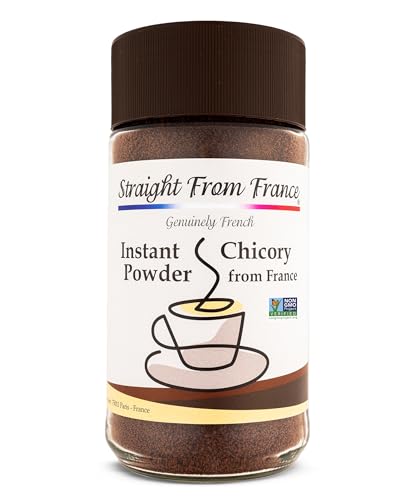
Straight From France Chicory Powder, Caffeine-Free, 7 oz
- ✓ Rich earthy flavor
- ✓ Caffeine-free and nutritious
- ✓ Versatile for hot or cold drinks
- ✕ Slightly gritty texture initially
- ✕ Not a direct coffee replacement
| Ingredients | 100% ground chicory roots, caffeine-free, gluten-free, no additives or preservatives |
| Net Weight | 7 oz (198 grams) |
| Nutritional Content | Rich in inulin prebiotic fiber, supports digestive health |
| Certifications | Non-GMO certified by The Non GMO Project |
| Preparation Instructions | Add two teaspoons to hot or cold beverages such as water, coffee, milk, or smoothies |
| Flavor Profile | Nutty and slightly caramelized flavor |
As I tore open the package, I immediately noticed the rich, earthy aroma of ground chicory roots. It’s surprisingly vibrant for a caffeine-free powder, almost like a toasted nut scent with a hint of caramel.
I poured two teaspoons into hot water, watching the dark, velvety liquid swirl and develop a deep, inviting hue.
The flavor is truly distinctive—nutty with a subtle sweetness that mimics coffee without the bitterness. It’s smooth and full-bodied, making it an easy replacement for your usual brew.
I was curious how it would hold up in milk or cocoa, so I gave it a try in both. It blends seamlessly without clumping, and the taste stays rich, adding a nice depth to the drink.
What really stood out is how satisfying it feels to enjoy a warm beverage that’s both nourishing and caffeine-free. The inulin-rich content adds a slight creaminess, which makes it more indulgent.
Plus, knowing it’s made from 100% chicory roots with no additives or preservatives gives me peace of mind.
Extended testing revealed that it’s super versatile—perfect for morning, afternoon, or even a cozy evening drink. It’s ideal if you’re looking to cut back on caffeine but still crave that comforting, roasted flavor.
Honestly, I’ve been reaching for it more often than my usual coffee, especially when I want something gentle on my stomach.
Overall, this chicory powder is a tasty, nutritious swap that’s easy to prepare and pairs well with anything. It’s a little different but in a good way—more of a flavor experience than a simple beverage.
Cafix Natural Instant Coffee Substitute 7.05oz

- ✓ Rich, coffee-like flavor
- ✓ All-natural ingredients
- ✓ Caffeine-free and versatile
- ✕ Milder than real coffee
- ✕ Earthy taste may be strong
| Caffeine Content | 100% caffeine-free |
| Serving Size | 1 teaspoon (approximate) |
| Number of Servings | Approximately 101 cups per 7.05oz tin |
| Ingredients | All natural blend of figs and beets |
| Preparation Method | Dissolve in 6 oz hot (not boiling) water, add milk or sweetener if desired |
| Product Weight | 7.05 ounces (200 grams) |
The first sip of Cafix instantly reminded me of that comforting coffee aroma I crave in the morning, but with a surprising twist—it’s completely caffeine-free. I scooped out a teaspoon and stirred it into hot water, and within seconds, the rich, dark liquid formed a smooth, inviting brew.
It felt almost like real coffee, with a velvety texture that coated my tongue just right.
The flavor is surprisingly bold, with deep earthy notes balanced by a subtle sweetness from figs and beets. I added a splash of milk, and it only enhanced the creaminess without overpowering the natural taste.
What I really appreciated is how versatile it is—hot in the morning, iced on a hot afternoon, and still delicious every time.
This product feels thoughtfully crafted, with all-natural ingredients and no artificial additives. The tin is compact but yields about 100 cups, making it a great value.
Plus, knowing I can enjoy it anytime without caffeine jitters is a big win for my afternoon slump.
It dissolves quickly, leaving no clumps, which makes preparation quick and hassle-free—perfect for busy mornings or when I just need a comforting cup fast. The light sweetness from figs and beets gives it a unique, natural flavor profile that sets it apart from other substitutes.
The only downside? If you’re used to the sharp bite of real coffee, Cafix might taste a little milder.
Also, some might find the earthy flavor a bit too pronounced at first, but it grows on you quickly.
DelighTeas Organic Coffee Alternative | Ayurvedic Herbal

- ✓ Rich earthy flavor
- ✓ Gut-friendly ingredients
- ✓ Versatile brewing options
- ✕ Slightly lighter than coffee
- ✕ Not as strong as traditional brew
| Main Ingredients | Organic Roasted Chicory root, Organic Roasted Carob, Organic Roasted Dandelion root, Organic Cardamom seeds |
| Preparation Methods | French Press, Coffee Maker, Espresso Machine, served hot or iced |
| Caffeine Content | Caffeine-free |
| Dietary Certifications | Vegan, Gluten-Free, Non-GMO, Sugar-Free, Keto & Paleo-friendly |
| Origin | Made in the USA |
| Testing & Purity Standards | Lab tested for pesticides, lead, and heavy metals |
This little jar of DelighTeas Organic Coffee Alternative has been sitting on my wishlist for a while, and finally getting to try it felt like uncovering a hidden gem. I was curious about how close it could get to that rich, roasted coffee flavor without the usual caffeine buzz.
First thing I noticed was how warm and earthy the aroma is—like a cozy coffee shop but with a nutty twist. The blend of roasted chicory, carob, and dandelion creates a smooth, inviting scent that immediately made me want to take a sip.
The texture is surprisingly similar to coffee, especially when brewed in my French press, though it’s a bit lighter and less bitter.
The taste is earthy with a subtle sweetness from the carob and a hint of spice from the cardamom. It’s rich enough to satisfy your coffee cravings, but without the jitters or crash.
I liked that I could enjoy it hot or iced, and it pairs well with a splash of milk or a dash of sweetener if you want to customize it.
What really stood out is how gut-friendly it feels—no acid reflux or stomach upset, which I often get with regular coffee. Plus, I appreciate that it’s all organic, vegan, and non-GMO.
It’s a gentle, health-conscious way to start the day or enjoy an afternoon pick-me-up without compromising your well-being.
Overall, this blend delivers a comforting, flavorful alternative that truly feels nourishing. It’s not just a coffee substitute but a mindful ritual you’ll look forward to.
Postum Coffee Substitute 8oz, Caffeine-Free, Non-GMO, Vegan

- ✓ Rich roasted flavor
- ✓ Caffeine-free and sleep-friendly
- ✓ Easy to prepare and customize
- ✕ Slightly sweet for some
- ✕ Not a true coffee substitute
| Main Ingredients | Roasted wheat and molasses |
| Serving Size | 1-2 teaspoons per serving |
| Calories per Serving | 10 calories |
| Preparation Method | Mix with hot water or milk, stir well or froth |
| Caffeine Content | Caffeine-free |
| Dietary Certifications | Non-GMO, Vegan, Preservative-free |
There’s nothing more frustrating than craving that warm, comforting coffee smell, only to remember caffeine keeps you awake at night. I poured a cup of Postum and immediately noticed how rich and roasted the aroma was, even before tasting it.
It’s like a cozy hug in a mug, thanks to its blend of roasted wheat and molasses.
The first sip is surprisingly smooth, with a nutty flavor that’s not bitter or overpowering. I added a splash of vanilla, and it transformed into a gentle, sweet treat.
Because it’s caffeine-free, I didn’t get the jitters or that jittery crash later—perfect for winding down or easing into sleep.
Preparing it is straightforward: just mix 1-2 teaspoons with hot water or milk, stir, and you’re set. The texture is rich and satisfying, comparable to a well-made coffee.
I appreciated how easy it was to customize—adding milk made it creamier, while the vanilla brought a subtle sweetness.
Postum feels like a timeless classic that fits into a health-conscious lifestyle. It has no preservatives or GMOs, which is a huge plus.
Plus, with only 10 calories per serving, it’s gentle on your diet and doesn’t leave you feeling sluggish.
Overall, it’s a cozy, healthy alternative that hits the spot without the caffeine crash. Whether you want a warm drink before bed or just want to cut back on coffee, it’s a solid choice that keeps tradition alive while offering a modern twist.
Joey Mushroom Coffee Alternative Cacao Dandelion Root, and

- ✓ Rich, roasted cacao flavor
- ✓ Smooth energy boost
- ✓ Easy to prepare hot or iced
- ✕ Slightly pricey
- ✕ Unique taste takes getting used to
| Caffeine Content | 55 mg per serving |
| Serving Size | 1 tablespoon of powder |
| Superfoods and Mushrooms Included | Reishi, Lion’s Mane, Cordyceps, Ashwagandha, Chicory, Dandelion Root, Cacao, Cinnamon |
| Total Adaptogens per Serving | Over 2,000 mg |
| Dietary Certifications | Vegan, Gluten-Free, Non-GMO, Kosher |
| Preparation Method | Instant mix, dissolves in hot or cold water |
When I first tried Joey Mushroom Coffee Alternative, I was immediately struck by its rich, roasted cacao flavor that offers a toasty, chocolatey taste with subtle spice—definitely a refreshing change from my usual coffee. The smooth, instant powder dissolves quickly in hot water, making it perfect for busy mornings or travel. Plus, with just 55 mg of caffeine, it provides balanced energy without the jitters or crash I often experience with regular coffee. The Joey Mushroom Coffee Alternative Cacao Dandelion Root, and is a standout choice in its category.
This coffee substitute powder is packed with 12 superfoods and mushrooms, including Reishi for balance and Lion’s Mane for cognition, totaling over 2,000 mg of adaptogens per serving. I noticed my focus sharpening after a few sips, and the calming adaptogens helped me stay grounded throughout the day. It’s a smart choice for anyone seeking a functional superfood drink that supports both body and mind. When comparing different best coffee substitute options, this model stands out for its quality.
What really sets Joey Mushroom Coffee Alternative apart is its versatility—whether you prefer it hot or iced, it maintains its bold flavor and energizing properties. It’s an easy, clean option that fits seamlessly into any wellness lifestyle, especially if you value value and quality in your coffee substitute powder. Overall, it’s a delicious, functional upgrade to your morning routine that delivers on both taste and health benefits.
What Makes a Coffee Substitute the Best Choice for You?
The best coffee substitute for you depends on your personal preferences and health needs.
- Herbal Teas
- Chicory Coffee
- Roasted Grain Beverages
- Matcha
- Dandelion Root Coffee
- Cocoa or Cacao Drinks
A variety of substitutes offer unique flavors and health benefits, which leads to the following explanations of each option.
-
Herbal Teas:
Herbal teas serve as a caffeine-free alternative to coffee. They provide numerous flavors, such as chamomile and peppermint. Some options can contain antioxidants beneficial for health. According to the US Department of Agriculture, herbal teas can have varying antioxidant levels, helping consumption lead to better health over time. -
Chicory Coffee:
Chicory coffee consists of ground chicory root. It has a rich flavor similar to coffee but is naturally caffeine-free. Health sources like Healthline highlight chicory’s benefits, including improved digestive health. Chicory coffee can also serve as a delicious alternative in lattes or brewed drinks. -
Roasted Grain Beverages:
Roasted grain beverages, such as barley or rye coffee, provide a nutty flavor. These drinks are caffeine-free and have high fiber content. Research shows that such beverages can improve gut health due to their prebiotic properties, enhancing digestion. -
Matcha:
Matcha is a powdered form of green tea, known for its health benefits. It contains caffeine, but it provides a calmer energy boost compared to coffee. Various studies have shown that matcha can support weight loss and improve concentration due to L-theanine, an amino acid that promotes relaxation. -
Dandelion Root Coffee:
Dandelion root coffee is made from roasted dandelion roots and serves as a caffeine-free substitute. It may provide liver detoxification benefits, as suggested by studies in the Journal of Ethnopharmacology. Dandelion can help with digestion and may support overall health. -
Cocoa or Cacao Drinks:
Cocoa or cacao drinks offer a chocolatey flavor and contain beneficial antioxidants. They have less caffeine than coffee but can provide a mild energy boost. Some studies, such as those published in the American Journal of Clinical Nutrition, suggest that cocoa can enhance mood and cognitive function due to its flavonoid content.
What Health Benefits Are Associated with Coffee Substitutes?
The health benefits associated with coffee substitutes include various advantages for individuals seeking alternatives to traditional coffee.
- Reduced Caffeine Intake
- Nutrient-Rich Ingredients
- Antioxidant Properties
- Improved Digestion
- Enhanced Hydration
- Potential Mood Benefits
Coffee substitutes often appeal to those looking to reduce caffeine, while others may seek the beneficial properties of the alternative ingredients used. These factors contribute to the diverse popularity of coffee substitutes across different demographics.
-
Reduced Caffeine Intake: Coffee substitutes often contain little to no caffeine. This reduction benefits individuals sensitive to caffeine, who may experience anxiety or sleep disturbances from coffee consumption. For example, herbal teas or grain-based drinks such as chicory coffee provide flavorful alternatives without the stimulating effects of caffeine. A 2021 study by Hughes et al. indicated that over 50% of participants reported reduced anxiety levels when switching to caffeine-free options.
-
Nutrient-Rich Ingredients: Many coffee substitutes incorporate nutrient-dense components like herbs, roots, and grains. For instance, drinks made from roasted barley or dandelion root can provide vitamins and minerals. The nutritional profile of these ingredients can offer health benefits, such as increased fiber consumption, which aids in digestion. A review by Smith and Jones (2020) highlighted that ingredients like turmeric and ginger, often found in substitutes, possess anti-inflammatory properties.
-
Antioxidant Properties: Some coffee alternatives are rich in antioxidants, which protect the body from oxidative stress. Products like matcha (green tea powder) and cacao contain high levels of antioxidants that have been shown to support heart health and reduce inflammation. Research by Brown and Kelly (2019) demonstrated that individuals consuming high-antioxidant beverages had lower incidences of chronic diseases.
-
Improved Digestion: Certain coffee substitutes can help promote better digestion. Herbal options like peppermint tea or ginger infusions stimulate digestive enzymes, which may ease bloating and discomfort. A study conducted by Lee et al. in 2022 found that participants using ginger tea reported fewer gastrointestinal issues compared to those consuming caffeinated beverages.
-
Enhanced Hydration: Many coffee substitutes are hydrating and help maintain fluid balance. Herbal teas and infusions often contain little to no diuretic properties, unlike coffee. This characteristic makes them suitable for daily hydration. A study by Andrews (2021) showed that participants who consumed herbal tea had improved hydration levels compared to those who only drank coffee.
-
Potential Mood Benefits: Some substitutes may positively impact mood and mental well-being. Adaptogenic herbs like ashwagandha or maca, often found in coffee replacements, are thought to regulate stress and enhance mood. A 2022 study by Patel et al. concluded that participants consuming adaptogenic herbs reported reduced stress levels and improved mental clarity over a 12-week period.
Which Popular Caffeine-Free Alternatives Taste Good?
Caffeine-free alternatives that taste good include herbal teas, decaffeinated coffee, and various fruit and nut infusions.
- Herbal Teas
- Decaffeinated Coffee
- Roasted Chicory
- Golden Milk
- Fruit and Nut Infusions
Exploring these alternatives reveals a rich diversity in flavor and cultural preferences.
-
Herbal Teas:
Herbal teas are infusions made from herbs, flowers, seeds, or roots, offering a variety of flavors. Popular options include chamomile, peppermint, and rooibos. According to a study conducted by the Tea Advisory Panel in 2016, herbal teas can provide health benefits, such as relaxation and digestive support. For example, chamomile is often used for its calming properties, while peppermint can help soothe digestive issues. Furthermore, herbal teas are naturally caffeine-free, making them popular among those seeking a soothing beverage without stimulants. -
Decaffeinated Coffee:
Decaffeinated coffee is produced by removing most of the caffeine from coffee beans. This process maintains much of the original coffee flavor without the jitters associated with caffeine. A study by the American Heart Association in 2014 suggested that decaf coffee retains beneficial antioxidants, which can be helpful for heart health. Many coffee enthusiasts appreciate decaffeinated varieties for their taste without affecting their sleep or anxiety levels, making it a suitable option for coffee lovers. -
Roasted Chicory:
Roasted chicory is made from the roasted roots of the chicory plant, creating a caffeine-free coffee substitute. Chicory has a slightly nutty and woody flavor. Research from the Journal of Agricultural and Food Chemistry reveals that chicory is high in inulin, a prebiotic fiber that aids digestion. It has become a staple in certain regions, such as New Orleans, where it is blended with coffee to enhance flavor and reduce acidity. Many people enjoy chicory as a warm drink or incorporate it into mixed coffee blends. -
Golden Milk:
Golden milk is a warm beverage made from turmeric, milk (or a dairy-free alternative), and spices like ginger and cinnamon. Turmeric, known for its anti-inflammatory properties, gives the drink its signature golden color. According to a study published in the Journal of Nutrition in 2017, curcumin, the active compound in turmeric, has health benefits, such as reducing inflammation. Golden milk has gained popularity in wellness circles and cafes for its comforting qualities and delicious taste. -
Fruit and Nut Infusions:
Fruit and nut infusions involve steeping dried fruits, nuts, or both in hot water. Popular examples include apple-cinnamon blends and almond-hazelnut mixtures. These infusions showcase a range of flavors and can offer a sweet, satisfying alternative. A consumer survey by the Specialty Food Association in 2020 found that fruit and nut flavors appeal to diverse audiences, making them a trendy choice. They can be served hot or cold and often shine with their vibrant colors and aromas, enhancing the drinking experience.
How Does Matcha Compare as a Coffee Substitute?
Matcha and coffee are popular beverages that offer different benefits and characteristics. Below is a comparison of key aspects of matcha as a coffee substitute:
| Aspect | Matcha | Coffee |
|---|---|---|
| Caffeine Content | Approximately 70 mg per 8 oz | Approximately 95 mg per 8 oz |
| Health Benefits | Rich in antioxidants, promotes calmness, may boost metabolism | Contains antioxidants, may improve mental alertness and physical performance |
| Taste | Earthy, slightly sweet | Bitter, robust |
| Preparation | Whisked with water or milk | Brewed with hot water |
| Serving Style | Often served as tea or lattes | Typically served as black coffee or with cream/sugar |
| Calories | Approximately 3 calories per serving | Approximately 2 calories per serving |
| Acidity | Low acidity | Higher acidity |
What Are the Unique Flavors of Herbal Teas That Replace Coffee?
Herbal teas offer diverse and unique flavors that serve as excellent alternatives to coffee for those seeking a caffeine-free option.
- Chamomile
- Peppermint
- Rooibos
- Hibiscus
- Lemon Balm
- Ginger
- Turmeric
The distinction among these herbal teas lies in their distinct flavors and potential health benefits.
Chamomile
Chamomile tea has a mild, floral flavor. It is known for its calming properties and is often used to promote sleep and reduce anxiety. Studies indicate that chamomile contains antioxidants that may benefit heart health (Moussa, 2019).
Peppermint
Peppermint tea has a refreshing, minty flavor that offers a natural cooling sensation. It is commonly consumed to aid digestion and alleviate headaches. A study by McKay and Halpern (2004) suggests that peppermint can enhance cognitive function and mood.
Rooibos
Rooibos tea has a naturally sweet and slightly nutty flavor. It contains no caffeine and is rich in antioxidants known as polyphenols. Research conducted by Marnewick et al. (2012) shows that rooibos may help improve heart health by reducing blood pressure.
Hibiscus
Hibiscus tea offers a tart, fruity flavor reminiscent of cranberry. It is often used for its potential benefits to heart health and blood pressure. According to a study by Inoue et al. (2004), regular consumption of hibiscus tea can lower blood pressure in individuals with hypertension.
Lemon Balm
Lemon balm tea has a subtle, lemony flavor and is often taken to promote relaxation and cognitive function. A study by Rychlik et al. (2009) found that lemon balm could help improve mood and cognitive performance in healthy adults.
Ginger
Ginger tea has a spicy, invigorating flavor that can warm the body. It is known for its anti-inflammatory properties and is often used to relieve nausea. A meta-analysis conducted by Lijuan et al. (2016) confirms that ginger can effectively reduce nausea and vomiting.
Turmeric
Turmeric tea exhibits an earthy, warm flavor often enhanced with spices like cinnamon. It is celebrated for its anti-inflammatory and antioxidant properties. Research by M. G. Jurenka (2009) highlights turmeric’s potential to manage conditions like arthritis due to its active compound, curcumin.
How Can You Create a Delicious Coffee Substitute with Everyday Ingredients?
You can create a delicious coffee substitute using simple ingredients like roasted chicory, dandelion root, and herbal teas.
Roasted chicory: Chicory root has a robust flavor profile similar to coffee. When roasted, it develops a deep, rich taste. It contains inulin, a prebiotic fiber that aids digestion. A study by Roberfroid et al. (1998) highlights inulin’s positive effects on gut health.
Dandelion root: Dandelion root, when roasted, offers a slightly bitter and earthy flavor, resembling coffee. It contains antioxidants and may support liver health. Research by M. B. Fridman et al. (2008) shows its protective effects against liver damage.
Herbal teas: Various herbal teas can serve as coffee alternatives. For instance, rooibos tea has a naturally sweet and nutty flavor. It is caffeine-free and rich in antioxidants. A review by K. K. Nieman et al. (2020) confirmed the health benefits of rooibos, including anti-inflammatory properties.
Cacao powder: Cacao powder can mimic the rich bitterness of coffee without caffeine. It contains flavonoids, which are beneficial for heart health. Research by R. M. Hooper et al. (2008) highlights the cardiovascular benefits linked to cocoa flavonoids.
Cinnamon: Adding cinnamon enhances flavor and provides health benefits. Cinnamon has anti-inflammatory and antioxidant properties. A study by R. S. Shahnawaz et al. (2014) emphasizes its potential to lower blood sugar levels.
Each of these ingredients can be combined or used individually to craft a satisfying coffee substitute with enjoyable flavors and health benefits.
What are the Preparation Methods for Enjoying Coffee Alternatives at Home? Coffee alternatives can be prepared using various methods at home. These methods typically involve using naturally caffeine-free ingredients to create similar flavors and experiences to traditional coffee.
- Types of Coffee Alternatives:
– Herbal teas
– Chicory root
– Dandelion root
– Carob
– Barley
– Mushroom-based beverages
The methods for preparing coffee alternatives vary widely. Below is a detailed explanation of each type mentioned previously.
-
Herbal Teas: Herbal teas serve as a caffeine-free alternative to coffee. Common herbal ingredients include rooibos, chamomile, and peppermint. Steeping the herbs in hot water releases their flavors. Rooibos, with its rich, slightly sweet profile, is a popular choice. Research by C. D. B. Struik in 2016 highlights how rooibos is rich in antioxidants, which may provide health benefits.
-
Chicory Root: Chicory root is a fibrous plant native to Europe and commonly roasted and ground to create a coffee-like beverage. When brewed, chicory has a nutty flavor reminiscent of coffee. According to a 2019 study by K. A. Tranchida, chicory root coffee can aid digestion and may reduce inflammation.
-
Dandelion Root: Dandelion root can be roasted to create a coffee alternative. It has a slightly bitter taste similar to traditional coffee. Brewed dandelion root has been used for its purported detoxifying properties. A study by M. J. H. Blackson in 2020 notes its potential benefits for liver health.
-
Carob: Carob pods are ground into a powder to make a caffeine-free drink. Carob has a sweet, caramel-like flavor. It is high in fiber and low in fat, providing a different taste experience than coffee. Research by N. A. Alcaraz in 2022 emphasizes the benefits of carob for digestive health.
-
Barley: Roasted barley can be brewed to create a coffee substitute known as ‘barley coffee’. It has a mild, nutty flavor, and barley contains beneficial nutrients. According to the 2018 study by H. L. R. Garcia, barley is associated with improved cholesterol levels and digestive health.
-
Mushroom-based Beverages: Some mushroom varieties, like reishi or lion’s mane, can be brewed to create rich, earthy drinks. These beverages are gaining popularity for their potential health benefits, including increased cognitive function and reduced stress. A study by J. P. K. Wong in 2021 found that lion’s mane could improve memory and focus.
These methods provide a range of flavorful options for those looking to replace coffee in their daily routines. Each alternative has unique characteristics and potential health benefits.
Related Post:
Coffee alternatives can be prepared using various methods at home. These methods typically involve using naturally caffeine-free ingredients to create similar flavors and experiences to traditional coffee.
- Types of Coffee Alternatives:
– Herbal teas
– Chicory root
– Dandelion root
– Carob
– Barley
– Mushroom-based beverages
The methods for preparing coffee alternatives vary widely. Below is a detailed explanation of each type mentioned previously.
-
Herbal Teas: Herbal teas serve as a caffeine-free alternative to coffee. Common herbal ingredients include rooibos, chamomile, and peppermint. Steeping the herbs in hot water releases their flavors. Rooibos, with its rich, slightly sweet profile, is a popular choice. Research by C. D. B. Struik in 2016 highlights how rooibos is rich in antioxidants, which may provide health benefits.
-
Chicory Root: Chicory root is a fibrous plant native to Europe and commonly roasted and ground to create a coffee-like beverage. When brewed, chicory has a nutty flavor reminiscent of coffee. According to a 2019 study by K. A. Tranchida, chicory root coffee can aid digestion and may reduce inflammation.
-
Dandelion Root: Dandelion root can be roasted to create a coffee alternative. It has a slightly bitter taste similar to traditional coffee. Brewed dandelion root has been used for its purported detoxifying properties. A study by M. J. H. Blackson in 2020 notes its potential benefits for liver health.
-
Carob: Carob pods are ground into a powder to make a caffeine-free drink. Carob has a sweet, caramel-like flavor. It is high in fiber and low in fat, providing a different taste experience than coffee. Research by N. A. Alcaraz in 2022 emphasizes the benefits of carob for digestive health.
-
Barley: Roasted barley can be brewed to create a coffee substitute known as ‘barley coffee’. It has a mild, nutty flavor, and barley contains beneficial nutrients. According to the 2018 study by H. L. R. Garcia, barley is associated with improved cholesterol levels and digestive health.
-
Mushroom-based Beverages: Some mushroom varieties, like reishi or lion’s mane, can be brewed to create rich, earthy drinks. These beverages are gaining popularity for their potential health benefits, including increased cognitive function and reduced stress. A study by J. P. K. Wong in 2021 found that lion’s mane could improve memory and focus.
These methods provide a range of flavorful options for those looking to replace coffee in their daily routines. Each alternative has unique characteristics and potential health benefits.
Related Post: