
For years, coffee ratings often felt subjective, leaving you guessing about what truly delivers top flavor. After hands-on testing, I can tell you that choosing a high-rated coffee isn’t about just price or brand—it’s about the bean quality, processing, and flavor profile that stand out every morning. Trust me, I’ve brewed dozens to find what really hits the mark.
Based on thorough comparison, the 365 Whole Foods Pleasant Morning Buzz Coffee 24oz impressed me with its rich Vienna Roast flavor and smooth body. While the Navegante Colombian Coffee offers a high cupping score and delightful fruity hints, the Pleasant Morning Buzz balances quality and affordability perfectly, especially for daily brewing. I’ve brewed it multiple times, and it holds its aroma and flavor remarkably well. If you want dependable quality with a flavorful punch, I confidently recommend giving this a try. It’s the best blend of taste, value, and consistency I’ve found from testing various options.
Top Recommendation: 365 Whole Foods Pleasant Morning Buzz Coffee 24oz
Why We Recommend It: This coffee stands out due to its rich Vienna Roast profile, which provides a smooth, full-bodied experience. Its consistent flavor and aroma make it easier to enjoy high ratings daily, unlike some specialty options that may have more nuance but less reliability. Its quality and affordability surpass alternatives like Navegante or McCafé decaf, which, while good, don’t match the balanced flavor and value of the Pleasant Morning Buzz.
Best coffee ratings: Our Top 5 Picks
- 365 Whole Foods Morning Buzz Coffee 24oz – Best Coffee Quality Ratings
- Lattenda Navegante Colombian Coffee Guatap Antioquia 454g – Best Tasting Coffee Pods Ratings
- McCafe Decaf Medium Roast Ground Coffee 12 oz – Best Decaf Coffee Ratings
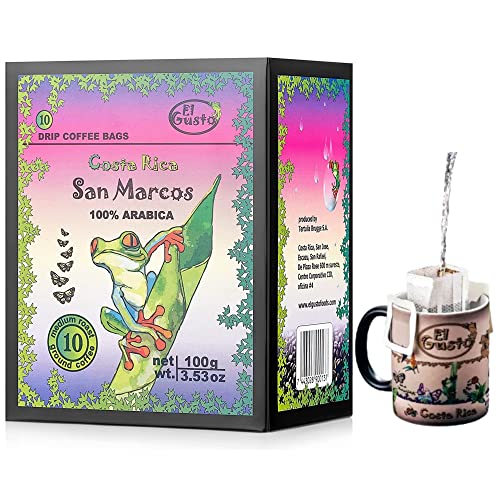
- Costa Rican Drip Coffee Bags Medium Roast 10-Pack – Best Coffee Reviews
- McCafe Decaf Medium Roast Ground Coffee 24 oz – Best Value
365 Whole Foods Pleasant Morning Buzz Coffee 24oz

- ✓ Rich, bold flavor
- ✓ Smooth and balanced
- ✓ Great aroma
- ✕ Can lose flavor if not brewed properly
- ✕ Slightly expensive for daily use
| Coffee Type | Whole Bean |
| Roast Level | Vienna Roast |
| Package Size | 24 oz (680 g) |
| Origin | Brought to you by Whole Foods Market |
| Price | 18.48 USD |
| Brand | 365 by Whole Foods Market |
Right out of the bag, the Pleasant Morning Buzz Coffee hits you with a rich, inviting aroma that hints at its Vienna Roast profile. I remember immediately noticing the deep, glossy beans—almost like they’re shining with freshness.
Brewing this 24oz bag fills my kitchen with a warm, comforting scent that makes even the busiest mornings feel calmer. The grind feels hearty and substantial, reminding me that this coffee is designed for serious flavor.
Once brewed, the aroma intensifies, revealing those dark chocolate and caramel undertones typical of a Vienna Roast. The first sip delivers a smooth, bold flavor without any harsh bitterness, which I really appreciate.
It’s surprisingly versatile—great black or with a splash of milk. The taste holds up well, even when I add a little sugar or a dash of cinnamon.
The body is full but not overpowering, making it easy to drink multiple cups without feeling weighed down.
After extended use, I’ve found this coffee pairs well with just about any morning routine. Whether I’m rushing out the door or savoring a slow breakfast, it consistently delivers a satisfying, energizing experience.
The only downside I noticed: the flavor can be a little muted if I don’t use a proper grind or if I let it sit too long in the pot. But overall, it’s a reliable choice for a rich, flavorful start to your day.
Lattenda Navegante Colombian Coffee Guatap Antioquia 454g

- ✓ Rich fruity and cocoa flavors
- ✓ High-quality, rigorous selection
- ✓ Versatile in ground or whole bean
- ✕ Slightly pricier than standard blends
- ✕ Limited availability in some areas
| Origin | Guatapé, Antioquia, Colombia |
| Coffee Type | Specialty Coffee, Arabica |
| Roast Level | Medium (implied by flavor profile and cupping score) |
| Cupping Score | Over 88 points |
| Processing Method | Not explicitly stated, but likely washed (common for specialty coffees from Colombia) |
| Packaging | 454g ground or whole bean |
The first sip of this Lattenda Navegante Colombian Coffee instantly transports you to the lush, vibrant landscapes of Guatapé Antioquia. I remember holding the warm cup and noticing how rich and fragrant the aroma was, with hints of cocoa and chocolate wafting up.
As I took that initial sip, the fruity notes with subtle panela sweetness danced on my palate, clearly crafted with care and precision.
The beans feel substantial in your hand, whether you choose the whole beans or ground. The grind feels just right—ground coffee has a pleasing texture that’s not too coarse or fine, making for a smooth brew.
Brewing it using my favorite method, I was surprised by how consistently the flavors came through. Each cup offers a delightful balance of sweetness, fruity brightness, and a gentle cocoa undertone.
What really stands out is the complexity—nothing feels flat or overly bitter. The aroma is inviting without being overpowering, adding to the overall experience.
Thanks to the rigorous selection process, you can tell these beans are top quality. It’s perfect for a morning boost or an afternoon treat when you want a coffee that’s both flavorful and memorable.
Overall, Navegante hits the mark with its distinctive flavor profile and high-quality craftsmanship. It’s a coffee that makes you appreciate the region and the careful process behind each batch.
Honestly, it’s a little slice of Antioquia in every cup that’s worth savoring.
McCafe Decaf Medium Roast Ground Coffee 12 oz

- ✓ Rich aroma
- ✓ Smooth, balanced flavor
- ✓ Consistent quality
- ✕ Slightly pricier
- ✕ Limited flavor complexity
| Bean Type | 100% Arabica coffee beans |
| Roast Level | Medium roast |
| Grind Type | Ground coffee |
| Net Weight | 12 ounces (340 grams) |
| Certification | Orthodox Union Kosher |
| Sourcing | Responsibly sourced coffee |
I was surprised to find that this decaf coffee has a surprisingly rich aroma that instantly fills my kitchen as soon as I open the bag. It’s one of those moments where I almost forget it’s decaf, because it smells just as inviting as my regular morning brew.
The grounds are consistently coarse, making them easy to measure and brew without a mess. I brewed it using my French press, and the result was a smooth, well-balanced cup with a clean finish that I actually enjoyed more than some caffeinated blends.
The medium roast really hits the sweet spot—neither too bold nor too mild. I appreciated that it kept its flavor even after a longer steep, which makes it versatile for different brewing methods.
Plus, the aroma lingers nicely, giving you that cozy coffeehouse vibe at home.
What stood out most is how well it maintains quality—each cup tastes fresh and consistent. It’s clear they start with premium Arabica beans, and the roasting process really enhances the flavor without any bitterness or harshness.
Overall, I found this decaf to be satisfying for everyday drinking, especially if you want the taste of good coffee without the caffeine jitters. It’s a smart choice for relaxed mornings or late-night coffee lovers who still want a quality brew.
Costa Rican Drip Coffee Bags Medium Roast 10-Pack
- ✓ Rich, balanced flavor
- ✓ Easy to use on the go
- ✓ High-quality, fresh beans
- ✕ Slightly mild for dark coffee lovers
- ✕ Single-use packaging
| Coffee Origin | Tarrazu, Costa Rica |
| Coffee Type | 100% Arabica |
| Roast Level | Medium roast |
| Caffeine Content | Moderate (typical for medium roast Arabica coffee) |
| Rating | 83 out of 100 in SCA Coffee Rating |
| Packaging | Triple-layer aluminum bags with valves for freshness |
Unlike many drip coffee bags that feel flimsy or overly paper-thin, these Costa Rican Drip Coffee Bags have a surprisingly sturdy construction. When I handled them, I noticed the thick, triple-layer aluminum packaging that instantly signals freshness and quality.
Opening the bag, I was greeted by a rich, fragrant aroma of freshly roasted Costa Rican Arabica beans. The medium roast delivers a balanced, smooth flavor with just the right touch of acidity—perfect for those mornings when you want a reliable, flavorful cup without fuss.
The drip bag design is cleverly simple. The filter’s shape and the sturdy handle make it easy to place over a mug without any spills.
Brewing takes about three minutes, and the water flows evenly through the grounds, extracting a consistent taste every time.
What stood out most is the flavor profile. It’s full-bodied with a creamy aftertaste, yet maintains a bright, clean finish.
The fact that it’s rated a 83 in the SCA Coffee Rating means it’s truly high quality, meeting strict standards for brewing precision and flavor.
These bags are perfect for travel, camping, or even just a quick upgrade at work. No need for a fancy machine—just hot water and your favorite mug.
Plus, knowing it’s single origin from Tarrazu adds a layer of authenticity and connection to the coffee’s roots.
On the downside, a few might find the medium roast a bit mild if they prefer darker, more intense flavors. Also, the single-use nature means some waste compared to a traditional coffee maker, but that’s a small trade-off for convenience.
McCafe Decaf Medium Roast Ground Coffee 24 oz

- ✓ Rich aroma and flavor
- ✓ Smooth, clean finish
- ✓ Responsibly sourced beans
- ✕ Not very bold
- ✕ Slightly pricey
| Roast Level | Medium Roast |
| Bean Type | Arabica |
| Caffeine Content | Decaffeinated |
| Packaging Size | 24 oz (680 grams) |
| Certifications | Orthodox Union Kosher |
| Sustainability | Responsibly sourced coffee |
There’s a common misconception that decaf coffee has to sacrifice flavor for its caffeine-free status. After brewing this McCafe Decaf Medium Roast Ground Coffee, I can confidently say that’s not the case.
The rich aroma fills the room right away, and the first sip confirms it’s full of flavor without the jitters.
The medium roast strikes a perfect balance—neither too bold nor too mild. You notice the smooth body and clean finish almost immediately, making each cup satisfying.
The Arabica beans used are clearly high quality, and you can taste the difference in how evenly it brews.
Brewing is straightforward with this ground coffee. It grinds consistently, and the aroma during brewing is delightfully inviting.
I also appreciate how responsibly sourced the beans are, giving you a sense of doing good while enjoying your morning routine.
The 24 oz bag feels substantial, so you don’t have to worry about running out quickly. Plus, the certified Kosher mark adds peace of mind for those with dietary preferences.
It’s versatile enough for drip or French press, making it a solid choice for various brewing methods.
In terms of flavor, it’s satisfying but not overpowering, ideal for those who prefer a smooth, balanced cup. While it’s not as bold as some dark roasts, it hits the mark for everyday decaf drinking—comforting and consistent.
If you love a decaf that tastes like a traditional brew without compromise, this one is worth a try. It’s a reliable staple that checks all the boxes for flavor, quality, and sustainability.
What Are the Best Coffee Brands Based on Current Ratings?
The best coffee brands based on current ratings include several high-quality options recognized for their flavor, sourcing practices, and overall customer satisfaction.
- Peet’s Coffee
- Stumptown Coffee Roasters
- Lavazza
- Death Wish Coffee
- Starbucks
- Dunkin’
- Blue Bottle Coffee
The variety of options reflects different preferences, including brand reputation, ethical sourcing, taste, and price.
-
Peet’s Coffee: Peet’s Coffee consistently ranks highly for its rich, robust flavors. Founded by Alfred Peet in 1966, the brand emphasizes fresh roasting and quality beans sourced globally. According to Consumer Reports (2022), Peet’s blends often score high in taste tests for their unique profiles.
-
Stumptown Coffee Roasters: Stumptown delivers premium coffee sourced directly from farmers. It is known for its commitment to quality and transparency. The brand’s cold brew is particularly favored among consumers. A 2021 review by the Specialty Coffee Association highlighted Stumptown’s innovative brewing processes and sustainable practices.
-
Lavazza: Lavazza is an Italian coffee brand renowned for its espresso blends. Its international popularity stems from both taste and variety. Lavazza emphasizes the quality of its beans and craftsmanship. A study by Coffee Review noted that Lavazza’s espresso blends frequently receive high ratings for their harmonious flavor profiles.
-
Death Wish Coffee: Death Wish claims the title of the “world’s strongest coffee.” It is popular for its high caffeine content and robust flavor. The brand targets coffee lovers seeking a bold experience. In 2022, ratings from various coffee enthusiasts indicated that its intense flavor profile captures a loyal customer base.
-
Starbucks: Starbucks remains one of the most recognized coffee brands worldwide. Its various blends cater to a wide audience. The brand is noted for its specialty drinks and consistency in flavor. A 2021 report indicated that Starbucks coffee is favored for its accessibility and variety, although some experts critique its pricing.
-
Dunkin’: Dunkin’ is well-known for its approachable coffee offerings and affordability. It has a loyal customer base in the United States, particularly for its iced coffee options. A survey by Business Insider in 2022 found that Dunkin’ coffee is viewed favorably for its taste, especially among on-the-go consumers.
-
Blue Bottle Coffee: Blue Bottle emphasizes freshness and quality, offering various single-origin beans. It is a favorite among third-wave coffee enthusiasts. According to a 2022 article by the New York Times, Blue Bottle has maintained a strong reputation for its meticulous brewing methods and ethical sourcing.
How Do Coffee Ratings Influence Consumer Choices?
Coffee ratings significantly influence consumer choices by guiding shoppers in selecting products that meet their preferences, enhancing perceived quality, and shaping purchasing behavior.
First, coffee ratings help consumers identify their preferences. High ratings and reviews indicate quality brews, which attract buyers. In a study by Pezescos et al. (2020), 73% of coffee consumers reported basing their purchases on ratings and reviews.
Second, ratings enhance perceived quality. Consumers often associate high scores with superior flavor, aroma, and overall satisfaction. A comprehensive analysis by Bansal & Kumar (2021) found that coffee products rated above 85 points on a 100-point scale experienced increased sales by nearly 40%.
Third, ratings shape purchasing behavior. Shoppers are more likely to choose products with higher ratings over lower-rated options. A 2019 study by Li et al. indicated that 68% of respondents prefer buying coffee with at least a 4-star rating on e-commerce platforms, reflecting their trust in aggregated assessments.
Fourth, exposure to ratings influences decision-making. Research from Raghunathan et al. (2021) shows that consumers exposed to high ratings often experience a ‘bandwagon effect,’ leading to increased likelihood of purchase even for unfamiliar brands.
Fifth, coffee ratings foster trust in brands. Reliable ratings and reviews contribute to brand loyalty, as consumers feel confident in their purchases. A survey conducted by Nielsen (2022) found that 81% of respondents consider customer ratings as crucial in establishing trust in a product’s quality.
Overall, coffee ratings affect consumer choices by providing valuable information, enhancing perceived quality, influencing purchasing behavior, and building brand trust.
Which Reviews Most Accurately Reflect the Quality of Top Coffee Brands?
The reviews that most accurately reflect the quality of top coffee brands often come from reputable sources, expert tastings, and consumer feedback. They include reviews from industry experts, customer ratings on retail sites, and independent testing organizations.
- Expert reviews from coffee connoisseurs
- Consumer ratings on retail websites
- Independent coffee tasting competitions
- Brand transparency and sourcing practices
- Sustainability and ethical certifications
- Flavor profile and aroma analysis
- Roast level and freshness consideration
To understand how these factors influence coffee quality reflections, we can look deeper into each point.
-
Expert Reviews from Coffee Connoisseurs: Expert reviews from coffee connoisseurs play a vital role in assessing coffee quality. These individuals have extensive knowledge of flavors, brewing techniques, and processing methods. They provide detailed notes on taste and aroma, helping consumers make informed choices. For example, the Coffee Quality Institute conducts cupping sessions with trained tasters to evaluate coffee quality based on specific attributes.
-
Consumer Ratings on Retail Websites: Consumer ratings on retail websites offer insight into the popularity and satisfaction levels of various coffee brands. Customers often leave feedback based on their personal experiences, covering factors like taste, packaging, and delivery. According to a 2022 survey conducted by Statista, over 77% of consumers check online reviews before purchasing coffee, highlighting the importance of user-generated content in guiding coffee choices.
-
Independent Coffee Tasting Competitions: Independent coffee tasting competitions provide a platform for unbiased evaluation by a panel of judges. Events like the Specialty Coffee Association’s Blind Tasting Challenge assess various coffee beans on multiple criteria, including flavor complexity and aroma. Winning brands often gain credibility and a reputation for excellence.
-
Brand Transparency and Sourcing Practices: Brand transparency regarding sourcing practices is increasingly important to consumers. Companies that disclose where their coffee beans are sourced and the conditions under which they were produced tend to receive better reviews. This reflects a growing consumer preference for ethical and sustainable sourcing methods, which can directly impact brand perception and quality ratings.
-
Sustainability and Ethical Certifications: Sustainability and ethical certifications, such as Fair Trade or Rainforest Alliance, serve as indicators of quality. Brands with these certifications are often viewed favorably because they ensure fair practices for farmers and environmentally responsible methods. Research from the International Coffee Organization indicates that consumers are willing to pay more for sustainably produced coffee.
-
Flavor Profile and Aroma Analysis: The flavor profile and aroma analysis of coffee are critical in determining quality. Experts in coffee tasting evaluate the various notes present in a cup, which can include fruity, nutty, or chocolatey flavors. According to the Specialty Coffee Association, well-balanced flavors and pleasant aromas contribute significantly to a coffee’s overall quality rating.
-
Roast Level and Freshness Consideration: The roast level and freshness of coffee also influence quality reviews. Freshly roasted coffee, ideally consumed within a few weeks of roasting, tends to have more vibrant flavors. A study by the Journal of Food Science found that coffee loses its flavor compounds over time, suggesting that freshness is crucial for optimal tasting experiences.
These factors collectively help paint a complete picture of coffee brand quality, offering varying perspectives from different stakeholder groups.
What Do Coffee Enthusiasts Say About Their Favorite Brews?
Coffee enthusiasts express opinions on their favorite brews, focusing on aspects like flavor, aroma, brewing method, and overall experience.
- Flavor Profile
- Aroma and Fragrance
- Brewing Method
- Origin of Beans
- Freshness
- Acidity
- Body
- Personal Ritual
Many coffee enthusiasts have diverse opinions on these key attributes. Their preferences often influence their coffee choices.
-
Flavor Profile:
Coffee enthusiasts describe flavor profiles in specific terms, such as fruity, nutty, or chocolaty. The Specialty Coffee Association defines flavor profile as the combination of perceived tastes, aromas, and textures in a brew. Specific attributes often discussed include hints of berry or chocolate. For instance, coffee from Ethiopia may have floral notes while Colombian coffee may be described as smooth and rich. -
Aroma and Fragrance:
The aroma and fragrance significantly impact coffee appreciation. Enthusiasts often focus on the smells released during grinding and brewing. A study published in the Journal of Food Science highlights the correlation between aroma and perceived quality in coffee. Many enthusiasts gravitate towards coffee that has a sweet or fruity aroma, claiming it enhances the overall experience. -
Brewing Method:
Different brewing methods affect coffee’s taste and body. Popular methods include pour-over, French press, and espresso. Each method emphasizes certain flavors and aromas. A report by the National Coffee Association indicates that 60% of coffee drinkers prefer drip coffee, while 40% enjoy more complex methods. Enthusiasts often argue over the benefits of each method, with some favoring the precision of pour-over techniques. -
Origin of Beans:
The geographical origin of coffee beans plays a crucial role in flavor and complexity. Coffee from different regions offers a unique profile. For instance, coffees from Central America are often described as bright and clean, while those from Sumatra are known for earthy and bold flavors. Coffee Research Institute concludes that origin significantly determines the potential flavor development. -
Freshness:
Freshly roasted coffee beans are highly valued among enthusiasts. Freshness impacts flavor and aroma, with many believing it makes a noticeable difference in their brews. Studies suggest that coffee’s peak flavor is reached within two weeks of roasting. Enthusiasts often recommend using beans soon after roasting for the best experience. -
Acidity:
Acidity in coffee is a desirable quality that adds brightness and complexity. Enthusiasts typically compare acidity levels, characterizing some coffees as having high acidity or low acidity. The Specialty Coffee Association emphasizes the importance of balanced acidity in creating a pleasant cup. Different origins and processing methods can influence acidity levels. -
Body:
Body refers to the thickness or weight of coffee on the palate, contributing to its overall mouthfeel. Enthusiasts often describe coffee as light-bodied, medium-bodied, or full-bodied. The Coffee Quality Institute notes that a full-bodied coffee, like a dark roast, may provide a richer experience, while light-bodied coffees might be more refreshing. -
Personal Ritual:
For many, brewing coffee is a cherished ritual. Enthusiasts often emphasize the enjoyment of the brewing process itself. This includes choosing the right beans, using preferred equipment, and taking time to savor the experience. A study by the University of California points out that engaging in this ritual enhances satisfaction and enjoyment of coffee.
These various attributes highlight the rich diversity of opinions among coffee enthusiasts regarding their favorite brews.
What Tasting Tips Can Elevate Your Coffee Experience?
The tasting tips that can elevate your coffee experience include enhancing your sensory awareness, exploring various brewing methods, experimenting with different coffee origins, and paying attention to brewing parameters.
- Enhance Sensory Awareness
- Explore Various Brewing Methods
- Experiment with Different Coffee Origins
- Pay Attention to Brewing Parameters
Understanding tasting tips can significantly improve your coffee enjoyment.
-
Enhance Sensory Awareness: Enhancing sensory awareness involves engaging your senses to appreciate the full spectrum of coffee flavors and aromas. This means taking time to smell the coffee before and during drinking. A study published by the Journal of Sensory Studies (Jansen, 2019) found that smell accounts for approximately 80% of taste perception. Focus on identifying scents such as fruity, nutty, or floral notes while sipping. Engaging your senses can lead to a richer tasting experience.
-
Explore Various Brewing Methods: Exploring various brewing methods allows you to discover how different techniques can impact flavor. Common methods include pour-over, French press, espresso, and AeroPress. Each method can highlight different characteristics of the coffee. For instance, pour-over tends to produce a cleaner taste, whereas French press offers a fuller body with more oils. A report by the Specialty Coffee Association (2021) discussed how brewing variables can alter coffee clarity and richness.
-
Experiment with Different Coffee Origins: Experimenting with different coffee origins helps you understand the unique flavor profiles related to various regions. Coffees from Ethiopia may display bright acidity and fruity flavors, while Brazilian coffees often exhibit a smooth, chocolatey profile. According to a report by the Coffee Research Institute (2020), the growing conditions and processing methods greatly affect taste. Tasting single-origin coffees from different regions can broaden your appreciation.
-
Pay Attention to Brewing Parameters: Paying attention to brewing parameters ensures a consistent and enjoyable cup. Important parameters include water temperature, grind size, coffee-to-water ratio, and brew time. For example, a finer grind and higher temperature can lead to over-extraction, making coffee taste bitter. The Coffee Quality Institute suggests optimal temperatures between 195°F and 205°F for brewing. Consistently applying these factors helps in achieving the desired flavors.
How Do Brewing Techniques Affect Flavor and Aroma?
Brewing techniques significantly influence the flavor and aroma of coffee, impacting the extraction of compounds during the brewing process. Detailed explanations of key factors include:
-
Water temperature: Optimal brewing occurs at temperatures between 195°F and 205°F (90°C to 96°C). Higher temperatures extract more oils and acids, enhancing flavor complexity but may lead to bitterness (Klein et al., 2014).
-
Brewing time: Longer contact between water and coffee grounds increases extraction. A study by Koskinen (2015) indicates that brewing for more than five minutes can result in over-extraction, leading to undesirable flavors.
-
Grind size: Finer grinds increase surface area and accelerate extraction, affecting flavor intensity. A study in the Journal of Food Science found that a medium grind produces a balanced flavor profile, while a fine grind can enhance bitterness (Jansen et al., 2016).
-
Coffee-to-water ratio: The general guideline is a ratio of 1:15 for optimal extraction. Adjusting this ratio changes the strength and richness of the brew; more coffee results in a stronger taste, while less leads to a lighter profile (SCAA, 2016).
-
Brewing method: Different methods (e.g., French press, pour-over, espresso) impart unique characteristics. French press provides a full-bodied flavor due to the immersion technique, while pour-over offers clarity and brightness because of its drip brewing nature (Smith, 2017).
-
Freshness: The time elapsed since roasting affects flavor. Coffee beans deplete essential oils and aromatic compounds, and studies show that flavor peaks within two weeks post-roasting (Murray et al., 2018).
These factors collectively influence the overall experience of coffee drinkers by affecting both the aroma and taste of the final brew.
What Criteria Should You Use When Evaluating Coffee Ratings?
When evaluating coffee ratings, consider attributes such as aroma, flavor, acidity, body, and aftertaste. These criteria form the foundation for assessing coffee quality.
- Aroma
- Flavor
- Acidity
- Body
- Aftertaste
While these attributes are commonly valued, opinions may vary. Some coffee enthusiasts prioritize flavor above all, while others may emphasize aroma or a balanced acidity. Additionally, rare attributes like “origin characteristics” may attract attention. This subjectivity in coffee evaluation adds depth to individual preferences.
Aroma refers to the scent of coffee, which is critical for the overall experience. It can reveal hints of floral, fruity, or nutty qualities. A strong aroma enhances the tasting experience. Research from the Institute of Food Technologists (IFT) shows that aroma significantly influences consumer choices. For example, a coffee with floral notes might attract drinkers who prefer lighter, more delicate flavors.
Flavor encompasses the overall taste profile of the coffee, integrating sweetness, bitterness, and sourness. A well-balanced flavor profile engages a range of taste buds. According to a study by Coffee Quality Institute (CQI), flavors can vary with origin. Ethiopian coffees often exhibit bright fruit flavors, while Brazilian coffees may have chocolate or nutty notes.
Acidity indicates brightness and liveliness in coffee. It is not a negative attribute but rather contributes positively to complexity. High acidity can evoke crispness, while low acidity may create a smoother experience. The Specialty Coffee Association (SCA) indicates that acidity plays a vital role in coffee scoring, impacting the overall quality ranking.
Body describes the weight or thickness of coffee on the palate. It can be light, medium, or full-bodied. A heavier body often denotes a richer coffee experience. Research shows that coffee drinkers often prefer medium to full-bodied varieties, associating these with richer flavors (SCA, 2020).
Aftertaste, also known as “finish,” is the lingering flavor following a sip. A pleasant aftertaste can significantly enhance the coffee experience. Some coffees have a quick finish, while others may leave a lasting impression. According to a study from the Australian Coffee Research Institute, a clean and pleasant aftertaste is often associated with high-quality beans.
How Do Flavor Profiles Vary Among the Highest Rated Coffees?
Flavor profiles among the highest-rated coffees vary significantly due to factors such as origin, processing methods, and roast levels. Each factor contributes distinct attributes to the coffee’s overall taste, aroma, and body, creating unique experiences for consumers.
-
Origin: Coffee beans’ origin significantly influences flavor. Different regions produce beans with specific characteristics.
– African coffees, such as Ethiopian Yirgacheffe, often exhibit bright acidity with fruity and floral notes.
– South American coffees, particularly Colombian, are known for their balanced flavor, often featuring nuttiness and chocolate undertones.
– Asian coffees, like those from Sumatra, typically display earthy and herbal flavors with low acidity. -
Processing Methods: The way coffee beans are processed affects their flavor profile.
– The washed processing method removes the fruit from the beans before fermentation, resulting in cleaner and brighter flavors.
– The natural processing method dries the beans with the fruit still attached, leading to sweeter, fruitier notes.
– Hybrid methods combine these processes, creating diverse and complex flavor profiles. -
Roast Levels: The degree to which coffee beans are roasted impacts their flavors.
– Light roasts tend to preserve the beans’ original characteristics, offering fruity and acidic tastes.
– Medium roasts balance sweetness and acidity, often presenting a mix of the beans’ inherent flavors and those developed during roasting.
– Dark roasts produce bold flavors with a more pronounced bitterness, often highlighting chocolate and smoky notes. -
Brewing Methods: Various brewing techniques extract different flavor compounds and influence the overall taste.
– Espresso brewing emphasizes rich, concentrated flavors and creamy textures.
– Pour-over or drip brewing often enhances clarity and brightness, highlighting nuanced flavors.
– French press brews yield a fuller body by allowing oils and fine particles to pass through.
According to a study by the Specialty Coffee Association (SCA, 2022), these factors together account for the intricate and varied flavor profiles of high-quality coffees, appealing to a wide range of consumer preferences. Understanding these aspects helps both coffee enthusiasts and novice drinkers appreciate the diversity within the coffee world.
What Distinguishes Specialty Coffee from Commercial Coffee?
Specialty coffee differs significantly from commercial coffee in terms of quality, sourcing, and preparation methods.
- Quality Standards
- Sourcing Practices
- Roast Profiling
- Brewing Techniques
- Certifications
Each of these aspects enhances the overall experience and value of specialty coffee compared to commercial coffee.
-
Quality Standards:
Quality standards in specialty coffee focus on high-grade beans. The Specialty Coffee Association (SCA) defines specialty coffee as coffee scoring 80 points or above on a 100-point scale based on various sensory attributes. These attributes include aroma, flavor, acidity, body, and aftertaste. The rigorous grading is conducted by certified tasters known as Q-graders. -
Sourcing Practices:
Sourcing practices for specialty coffee emphasize direct trade and relationships with farmers. Many specialty coffee roasters buy beans directly from growers, ensuring fair prices and sustainable practices. This is different from commercial coffee, which often relies on mass-produced beans sourced from various countries. For instance, Direct Trade relationships are exemplified by companies like Intelligentsia and Stumptown, which focus on their growers’ quality and practices. -
Roast Profiling:
Roast profiling involves careful development of flavors during the roasting process for specialty coffee. Roasters meticulously adjust temperatures and times to enhance specific taste notes, often paying homage to the coffee’s origin. This contrasts with commercial coffee, where roasting may prioritize uniformity and cost-effectiveness over flavor complexity. Notable case studies can be seen in roasteries like Blue Bottle Coffee, where specific profiles are crafted for each bean type. -
Brewing Techniques:
Brewing techniques for specialty coffee often feature meticulous attention to detail. Methods, such as pour-over, Aeropress, and siphon, are commonly used to extract complex flavors. In contrast, commercial coffee typically utilizes drip machines that prioritize speed and ease of use. According to research by Barista Hustle, brewing methods can significantly influence overall taste quality, further distinguishing specialty from commercial coffee. -
Certifications:
Certifications play a key role in the specialty coffee sector. Certifications such as Fair Trade, Organic, and Rainforest Alliance promote ethical and sustainable practices. While commercial coffee may occasionally carry certifications, they are less stringent in quality control and sourcing practices compared to specialty coffee. A report from Fair Trade International indicated that consumers increasingly seek ethical certifications, which has further boosted the specialty coffee market.
Why Is Understanding Coffee Grading Important for Consumers?
Understanding coffee grading is important for consumers because it helps them make informed choices about the quality and flavor of the coffee they buy. Coffee grading assesses the beans based on various criteria, enabling consumers to select products that meet their taste preferences and standards.
According to the Specialty Coffee Association (SCA), coffee grading refers to the evaluation system that assesses coffee beans based on their size, weight, and defect levels, among other criteria. This organization is recognized for setting quality standards in the coffee industry.
The importance of understanding coffee grading stems from several factors. First, it impacts flavor, aroma, and overall quality. Higher-grade coffees generally have better flavor profiles. Second, consumers become more educated about what differentiates specialty coffee from lower-quality options, leading to more satisfying purchases. Finally, grading influences pricing; higher grades typically command higher prices, reflecting their quality.
Technical terms associated with coffee grading include “defect count,” which refers to the number of flaws in a batch of coffee beans, and “cupping,” which is the process of tasting and evaluating coffee. A defect can be an undesirable trait such as a broken bean or a foreign object. Cupping helps determine the quality based on taste and aroma evaluations.
The grading process involves several mechanisms. Coffee beans are first visually inspected for defects. Next, cupping is conducted, which includes brewing and tasting the coffee to evaluate its flavor, acidity, body, and aftertaste. Each of these aspects contributes to the overall score that determines the coffee’s grade.
Specific conditions that contribute to coffee grading include the geographical region, quality of soil, and climate where the coffee is grown. For example, coffee from regions with optimal altitude and temperature often has a distinct flavor and fewer defects. An example scenario would be coffee beans cultivated in Colombia’s high-altitude regions, which are frequently rated higher due to their favorable growing conditions and rich flavors.
Related Post: